Volcanoes, black-sand beaches, summit stargazing — the Big Island, explained.
The complete travel guide to Hawaiʻi's Big Island: Hawaiʻi Volcanoes National Park, Mauna Kea, manta ray snorkeling, waterfalls, Kona coffee country, Hilo's rainforest coast, and private luxury tours that pull it all together.
Fresh from the field
All posts →Start with the big topics
Nine in-depth guide hubs covering everything the Big Island of Hawaiʻi is famous for — from the active lava of Kīlauea to the dark-sky summit of Mauna Kea.
The Big Island of Hawaiʻi, at a glance
The Big Island of Hawaiʻi — officially the Island of Hawaiʻi, and the namesake of the entire state — is the largest, youngest, and most geologically active island in the Hawaiian chain. At 4,028 square miles, it is larger than all the other Hawaiian islands combined, and it is still growing. Every time Kīlauea erupts on its southeast flank, fresh lava spills into the Pacific and adds new land to the south coast. Visitors come here for what nowhere else on Earth offers in a single 24-hour drive: active volcanoes, alpine summits above the clouds, jet-black sand beaches, snow on Mauna Kea, manta rays at night, and rainforest valleys cut by 400-foot waterfalls.
The island sits beneath the Hawaiian hotspot, a plume of magma that has been building shield volcanoes for tens of millions of years. Five of those volcanoes formed the Big Island itself: Mauna Loa and Mauna Kea (both rising more than 13,600 feet above sea level), Hualālai above Kailua-Kona, the dormant Kohala in the north, and Kīlauea — the most active volcano on the planet. From the sea floor to the summit of Mauna Kea, the island is the tallest mountain on Earth, taller than Everest. That vertical range gives the Big Island eight of the world's thirteen climate zones, from tropical rainforest in Hilo to arid lava desert in Ka‘ū to polar tundra above 11,000 feet.
Why visitors choose the Big Island
Maui and O‘ahu are smaller, more developed, and easier to "see" in a few days. The Big Island is the opposite: it rewards travelers who want nature, geology, dark skies, and space over crowds and high-rises. A first-time itinerary almost always includes Hawaiʻi Volcanoes National Park, a Mauna Kea stargazing sunset, a manta ray night snorkel off the Kona coast, Akaka Falls, Punalu‘u black sand beach, and the Waipi‘o Valley lookout on the Hāmākua coast. Couples often layer in a Kona coffee farm and a sunset dinner in the historic village of Kailua-Kona; families add waterfall hikes, easy snorkeling at Two Step or Kahalu‘u, and a luau on the Kohala coast.
Kona vs. Hilo: which side to stay on
The island has two airports and two completely different climates. The west side (Kona / Kohala) is dry, sunny, and lined with luxury resorts, white-sand pockets, and clear snorkeling water — most visitors fly into Kona International Airport (KOA) and stay here. The east side (Hilo) is wet, lush, and authentically Hawaiian, with rainforest, waterfalls, botanical gardens, and the eastern gateway to Volcanoes National Park. The classic trip stays five to seven nights on the Kona side and does Volcanoes either as a long day from Kona or with one overnight on the Hilo side or in Volcano Village.
When to go
The Big Island is a year-round destination. April–May and September–October are the sweet spots: lower prices, fewer crowds, dry weather on the Kona side, and warm ocean temperatures (78–81°F). December–March brings humpback whale season off the Kona coast and the busiest holiday pricing. Summer (June–August) is family travel high season and reliably dry, with whale-free but calm snorkel conditions. Volcanoes National Park, Mauna Kea, and most beaches are open and beautiful every month of the year.
How many days you need
Three to four days is enough for the absolute highlights if you base in Kona and run efficient day trips. Five to seven days is the sweet spot — enough time to do Volcanoes National Park properly (ideally with one overnight in Volcano Village), a Mauna Kea sunset, a Kona snorkel day, and a Hāmākua coast / Waipi‘o loop without rushing. Ten days or more opens up the south point, Pololū Valley in the north, multi-day hiking in the park, and a true rest day or two on the resort coast.
Explore every corner of the island
Nine guide topics that cover the Big Island the way visitors actually plan it — by activity, by region, by interest.
Hawaiʻi Volcanoes National Park, Kīlauea status, Mauna Loa, lava viewing, Chain of Craters Road, and Volcano Village.
Black sand at Punaluʻu, green sand at Papakōlea, Hāpuna, Mauna Kea Beach, Mākalawena, and snorkel coves on the Kohala coast.
Manta ray night snorkel off Kona, Two Step, Kealakekua Bay, Kahaluʻu, whale watching, and the best charter operators.
Kīlauea Iki, the Nāpau Crater trail, Pololū Valley, Waipiʻo, Mauna Loa summit, Akaka Falls loop, and the Pu‘u Loa petroglyphs.
The summit-versus-Visitor-Station debate, sunset tours, altitude prep, the observatories, and the best dark-sky pull-offs.
Kona coffee farms, the Hilo farmers market, Big Island poke, lūʻau picks, food trucks, and farm-to-table on the Kohala coast.
Puʻuhonua o Hōnaunau, Pu‘ukoholā Heiau, petroglyphs, Hawaiian language basics, hula, and respectful visitor etiquette.
Which side to stay on, how to rent a 4WD, packing for eight climate zones, transportation tips, and budget by week.
3-day, 5-day, 7-day, and 10-day Big Island itineraries — plus honeymoon, family, adventure, and accessible versions.
The signature Big Island experiences
These are the experiences nearly every first-time visitor builds an itinerary around — and the ones our daily guides go deepest on.
1. Hawaiʻi Volcanoes National Park & Kīlauea
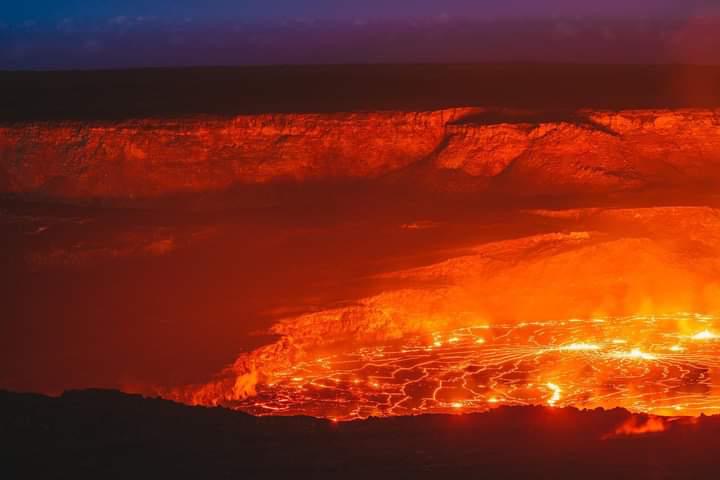
The undisputed centerpiece of any Big Island trip. Hawaiʻi Volcanoes National Park covers more than 335,000 acres on the southeast flank of Mauna Loa and protects two of the world's most active volcanoes — Kīlauea and Mauna Loa. Inside the park you can drive the rim of Kaluapele (Kīlauea caldera), hike across the floor of Kīlauea Iki crater, walk through the 500-year-old Nāhuku (Thurston) lava tube, see ancient petroglyphs at Pu‘u Loa, and — when an eruption is active — see the glow of molten lava from the Kaluapele overlooks at night. Plan a minimum of one full day; two is better. The park is open 24 hours and the after-dark caldera view is non-negotiable when Kīlauea is erupting.
2. Mauna Kea sunset and stargazing
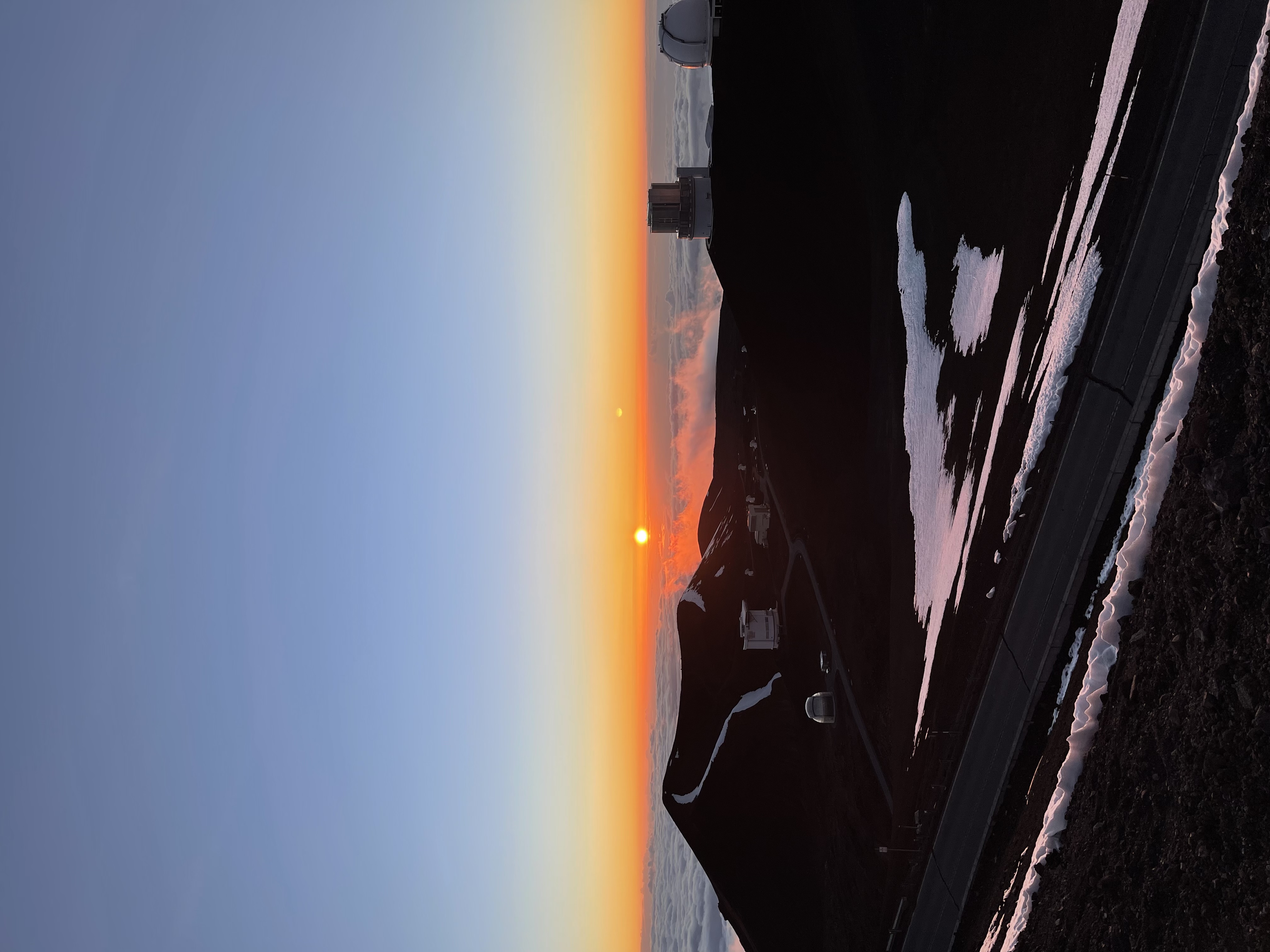
At 13,803 feet, the summit of Mauna Kea is one of the best places on Earth to see the night sky — which is why thirteen of the world's most important observatories sit on top. A typical Mauna Kea evening starts at the Onizuka Visitor Information Station at 9,200 feet for an hour of altitude acclimatization, then continues to the summit for sunset above a sea of clouds, and finally drops back down to the Visitor Station area for stargazing through telescopes. The summit road requires 4WD with low-range gearing; most visitors join a guided tour that handles the vehicle, parkas, and dinner. Anyone who has scuba dived within 24 hours, is pregnant, or has heart or respiratory issues should plan to stop at the Visitor Station instead.
3. Manta ray night snorkel or dive
The Kona coast is one of only two places on the planet where you can reliably see giant Pacific manta rays feeding at night, and it is the single most jaw-dropping ocean experience in Hawaiʻi. Operators run boats out of Keauhou Bay and Honokōhau Harbor just after sunset. You float on the surface holding a lit board while 8–14-foot mantas barrel-roll directly beneath you, mouths open, scooping plankton drawn in by the lights. Trips run year-round and the success rate on reputable boats is typically 80–90%+.
4. Black sand, green sand, and white sand beaches
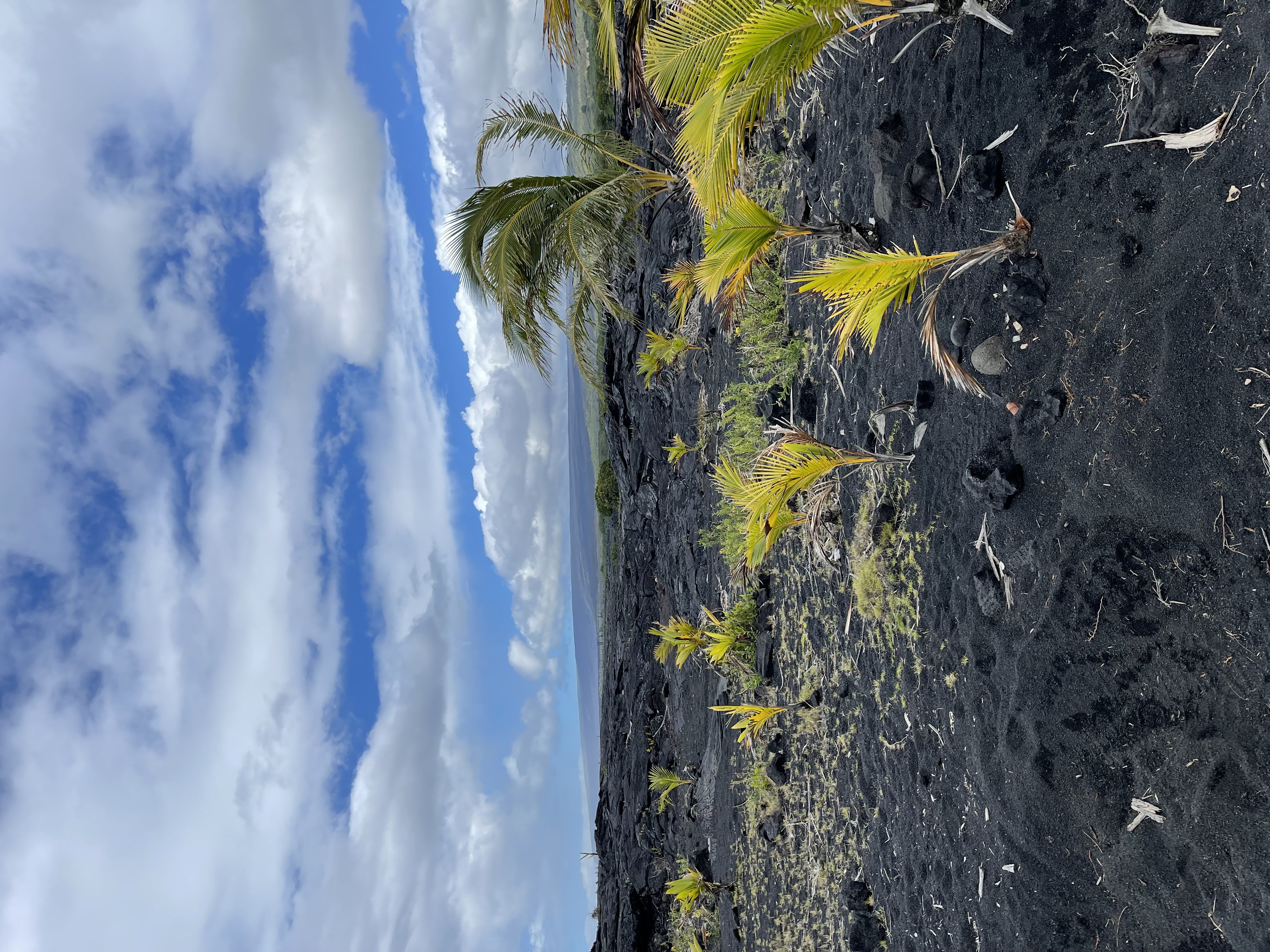
The Big Island's youth shows up most dramatically on its beaches. Punaluʻu Black Sand Beach on the southeast coast is the easiest jet-black beach to visit, and you'll usually share it with basking green sea turtles. Papakōlea Green Sand Beach near South Point is one of only four green sand beaches in the world and requires a ~5.5 mile round-trip hike across windswept pasture. For classic white sand, Hāpuna and Mauna Kea Beach on the Kohala coast are the two best, with calm-water snorkel coves like Kahaluʻu and Two Step for easier swims.
5. Waterfalls and the Hāmākua coast
The lush windward coast from Hilo north to Waipiʻo is a string of dramatic waterfalls and rainforest gulches. Akaka Falls (442 feet) is the most accessible — a paved 0.4-mile loop just 15 minutes north of Hilo. Rainbow Falls in town is even easier. The Hāmākua Heritage Corridor ends at the Waipiʻo Valley overlook, a sacred valley sometimes called the "Valley of the Kings." Note: Waipiʻo Valley access is currently restricted to residents — the overlook is open to everyone and is the photograph people remember.
6. Kona coffee country
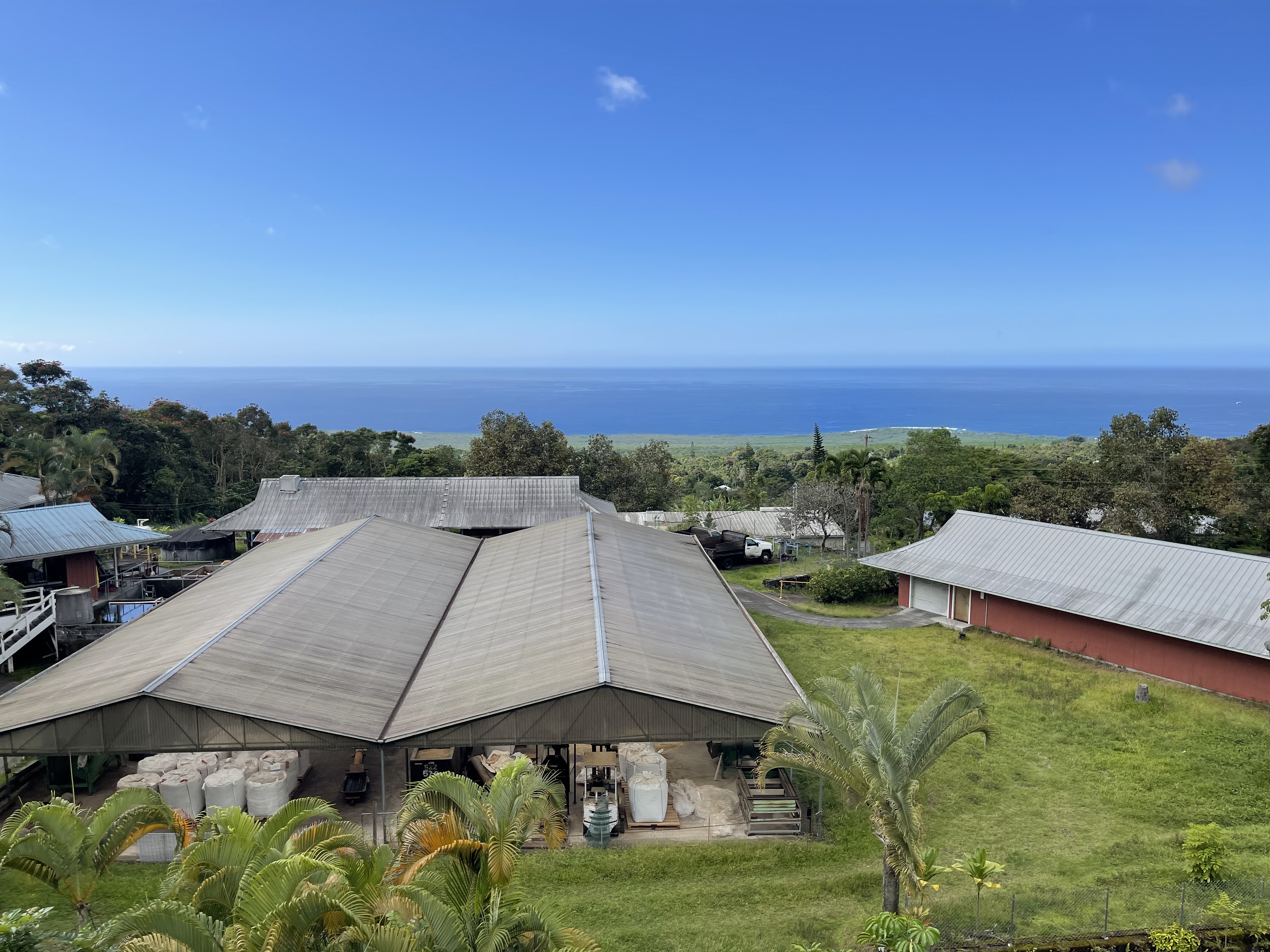
The slopes of Hualālai and Mauna Loa above Kailua-Kona form the only commercially significant coffee-growing region in the United States. 100% Kona coffee is grown in a 30-mile-long strip at 800–2,500 feet of elevation with morning sun, afternoon clouds, and rich volcanic soil. Dozens of farms offer free or low-cost tastings and tours; Greenwell Farms, Hula Daddy, and Mountain Thunder are the easiest first stops for visitors driving the Kona coffee belt south of Kailua.
Big Island travel FAQ
Is the Big Island worth visiting?
How many days do you need on the Big Island?
Should I stay in Kona or Hilo?
When is the best time to visit the Big Island?
Do I need a 4WD on the Big Island?
Is Kīlauea erupting right now?
Can you see lava on the Big Island?
What is the best Big Island tour?
We write the guides. High-End Hawaii drives the tour.
Private, chauffeur-driven luxury tours of Hawaiʻi's Big Island. Volcanoes National Park, Mauna Kea stargazing, waterfalls, black sand beaches, manta ray snorkels — built around exactly what you want to see.
Plan a private tour at High-End Hawaii